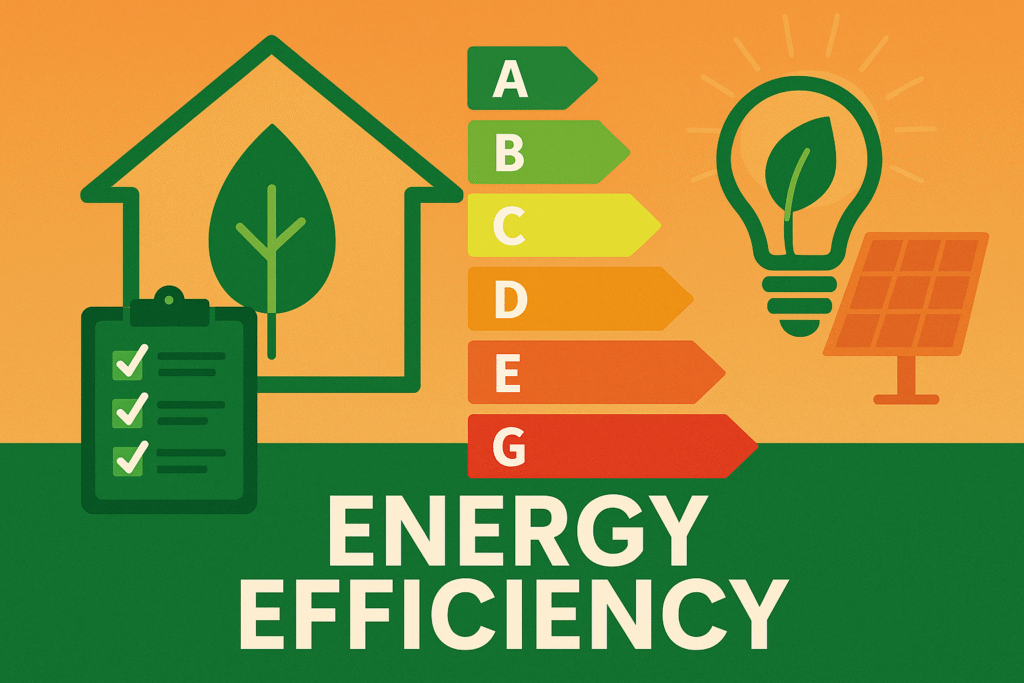
Energy efficiency is no longer a corporate luxury — it’s a necessity.
In a region like Saudi Arabia, where air conditioning, lighting, and water systems operate year-round, energy consumption represents a major portion of operational expenses.
Facility managers play a crucial role in reducing this burden. By adopting practical, smart strategies, even existing buildings can achieve significant energy savings — often without large capital investments. The key lies in operational discipline, data-driven decisions, and preventive care.
Before saving energy, you must first understand how it’s being consumed.
A professional energy audit identifies which systems use the most power — HVAC, lighting, elevators, or plug loads — and highlights areas of waste.
Key steps include:
Reviewing utility bills to detect consumption trends.
Comparing performance with similar buildings (benchmarking).
Using sub-metering or IoT sensors for detailed data collection.
Once you establish a baseline, you can set realistic reduction targets and monitor progress over time.
In Saudi Arabia’s climate, HVAC systems can consume up to 60% of a building’s total energy use.
Simple maintenance measures often yield immediate results:
Clean and replace air filters regularly to maintain airflow efficiency.
Inspect ducts for leaks and insulation damage.
Calibrate thermostats and sensors to prevent overcooling.
Use programmable thermostats to adjust temperature settings during off-hours.
Service chillers and compressors on a scheduled preventive plan.
Even minor inefficiencies in HVAC operation can waste thousands of riyals annually — so consistent upkeep is the first line of defense.
Lighting is another major source of energy consumption, particularly in large offices, retail centers, and public buildings.
Simple strategies for improvement include:
Replacing traditional bulbs with LED fixtures, which use up to 75% less energy and last longer.
Installing motion or occupancy sensors in corridors, meeting rooms, and parking areas.
Using daylight harvesting systems that adjust indoor lighting based on available natural light.
Dividing lighting circuits by zone so unoccupied areas can remain off.
A full lighting retrofit can reduce lighting energy use by 30–50%, improving both efficiency and aesthetics.
Modern buildings benefit enormously from Building Management Systems (BMS) or Energy Management Systems (EMS).
These digital tools collect real-time performance data from HVAC, lighting, and electrical systems, allowing facility managers to:
Detect inefficiencies early.
Adjust setpoints automatically.
Generate reports that guide long-term improvements.
Even a modest investment in monitoring software can pay for itself within a year through optimized system performance and reduced utility costs.
Technology alone cannot achieve full efficiency — human behavior matters too.
Educating building occupants about energy-saving habits has a measurable effect. Examples include:
Turning off unused lights, computers, and devices.
Keeping windows and doors closed in air-conditioned spaces.
Reporting maintenance issues promptly.
Creating a “sustainability culture” within the workplace reinforces the impact of technical improvements.
Poor maintenance is one of the biggest energy wasters in any facility.
When filters clog, belts loosen, or insulation degrades, systems consume more power to deliver the same output.
Implementing a structured preventive maintenance schedule ensures that:
Equipment runs efficiently and lasts longer.
Energy-intensive faults are caught early.
Operational performance remains consistent across seasons.
Regular inspection of HVAC, electrical panels, motors, and pumps is not just a reliability measure — it’s an energy strategy.
Saudi Arabia’s abundant sunlight offers tremendous potential for solar integration.
While not every building can install a large photovoltaic array, even small-scale rooftop panels or solar water heaters can offset part of the building’s electricity demand.
Pairing renewable systems with smart controls enables facilities to store or redirect excess energy efficiently.
Energy-efficient buildings are not built overnight — they are managed into existence.
With simple, focused facility management strategies, organizations can dramatically reduce consumption, extend asset life, and align with Saudi Arabia’s sustainability vision.
From regular HVAC maintenance to smart lighting and occupant engagement, every small step contributes to a larger impact: lower costs, greater reliability, and a cleaner future.
Elevating Facility Management. Delivering Excellence.
© 2025
This website uses cookies to provide you with the best browsing experience.